Drones: What are the rules?
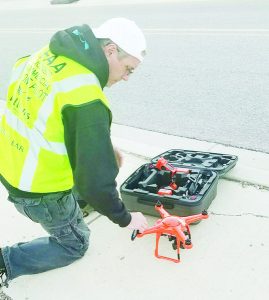 In only a few years, drones have become very popular with hobbyists. These small, pilotless aircraft have become more affordable, and the ease of operation makes them easy to fly.
Because of this, some perceive drones merely as toys and often don’t consider the laws and regulations governing their use.
The term “drones” is better known than the term “unmanned aerial vehicles,” or UAVs, even if drones are also known as the term for a class of military weapons.
By federal law drone pilots must register their drone with the FAA. This registration can be done online or by mail, at a cost of $5. When done online, the process is fast, allowing drone pilots to legally fly their new aircraft in minutes.
During the online registration process, drone owners receive some basic tips. Things like: Fly your drone at or below 400 feet; keep your drone within your line of sight; and never fly over groups of people, public events, or stadiums full of people.
These tips provide a good starting point for new pilots but don’t provide them with everything they should know about safely operating their new drone.
However, many new pilots don’t know where to go for more information on current rules and regulations.
“There is no one specific place that all of us use,” said Mykle Williams, an administrator of the Las Vegas Aerial Views Facebook group. “I got my training from the FAA website, but I was certified almost two years ago.”
The FAA’s website provides a great deal of information, and according to Williams, several other websites have launched in the last few years as well.
Some even provide drone training — something Williams sees as essential.
“Everybody gets excited and thinks these things fly themselves, but they don’t,” he said. “You need training to learn the ins and the outs before you stick it in the air, then 15 minutes later, your $800 Christmas present is gone and you’ll never see it again.”
Beyond losing an expensive drone, there can be a serious threat to public safety when drone pilots don’t follow the rules. Just this past May, as firefighters battled the Chicoma Fire in the Santa Fe National Forest west of Española, all aircraft fighting the fire were grounded when someone flew a drone into the airspace being utilized by air tankers.
The incident prompted the U.S. Forest Service to issue a statement to the public reminding drone operators not to fly over or near wildfires. “If you fly, we can’t,” the news release said. According to Forest Service statistics, aerial firefighting efforts have been halted at least 13 times in 2018 due to drones being flown in the area of fires.
Similarly, several airports across the country have been forced to divert flights or ground planes because of drones flying too close.
Williams emphasizes the need for more training, but not just online or in classrooms.
He would like to see drone pilots get together more often, especially those in Las Vegas.
“There are a lot of people in Vegas who fly, I wish more of us would get together so we could teach each other,” he said. “Vegas is a great place for it, we have some great open spaces.”
For anyone considering flying drones, there are several useful websites to get started.
• FAA’s Drone Zone: faa.gov/dronezone/
• Facebook group for Las Vegas-area drone pilots: facebook.com/groups/lasvegasaerialviews
• The National Interagency Fire Center’s guide to flying near wildfires: https://www.nifc.gov/drones
• U.S. Forest Service’s “If You Fly, We Can’t” site: goo.gl/MHhFL8


